Home> Industry News> The Cycling Revolution: Why Non-Motorized Separation is Key to the Future City

The Cycling Revolution: Why Non-Motorized Separation is Key to the Future City

2025,12,16
As cities globally prioritize sustainable transportation and reduced emissions, micro-mobility—bicycles, e-bikes, and scooters—has become an integral part of urban life. However, without adequate protection, these vulnerable road users face significant safety risks.
 
At Toncom, we believe that a safe bike lane is not just a painted stripe; it requires physical separation. This post explores the vital role of the bicycle separation fence and how a robust separation barrier between motor and non-motor vehicles can truly enable green, safe urban travel.
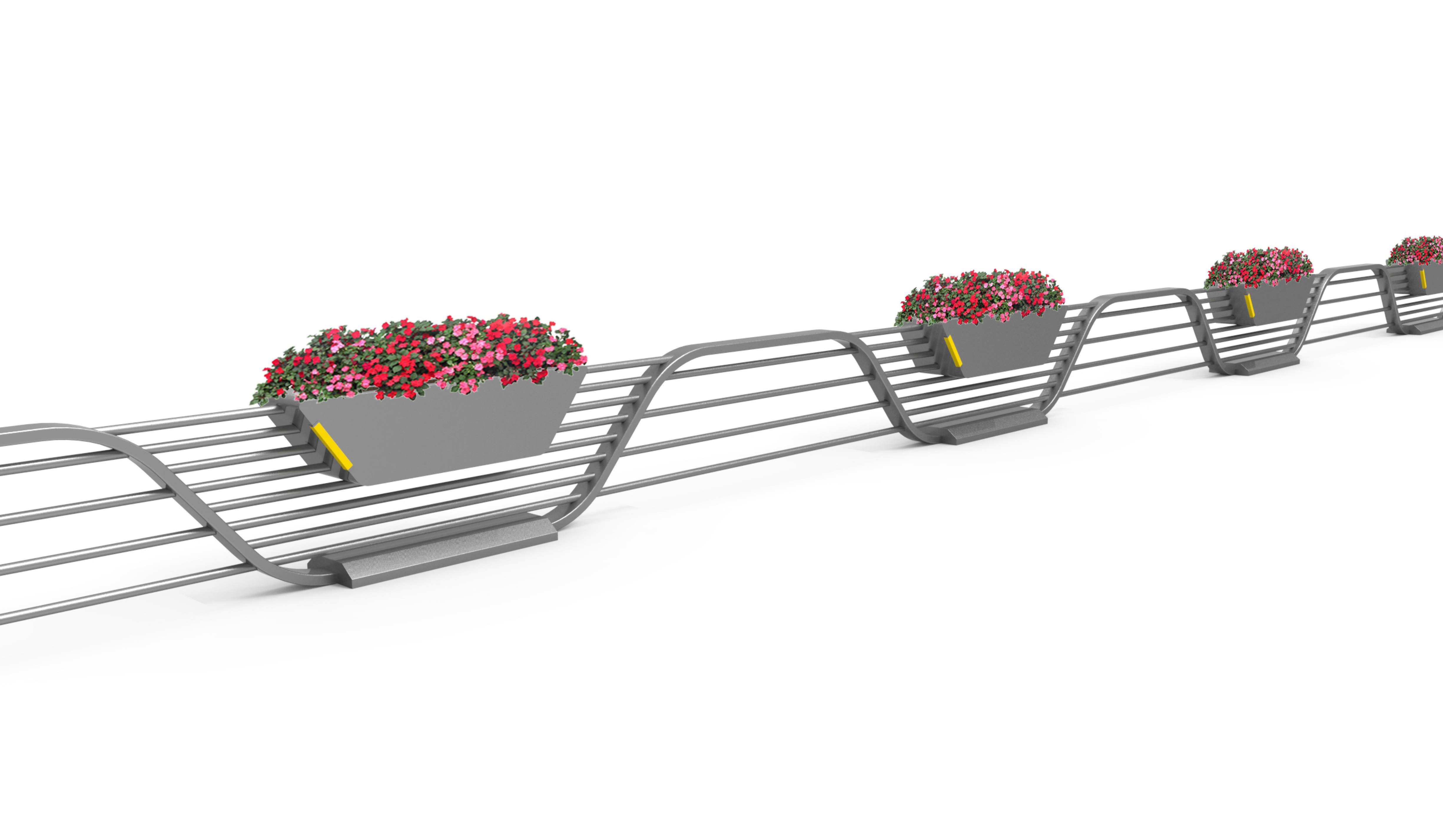
02-T-GLL-29
1. Addressing the Challenges of Global "Green Mobility"
 
Many municipalities are striving for Vision Zero (zero traffic fatalities). One of the biggest challenges is allocating sufficient safe space for all modes of traffic within limited urban confines. Our solution—the separation barrier between motor and non-motor vehicles—is the crucial tool for resolving this conflict.
 
Our Mission: Going Beyond the Painted Line
The traditional approach involves using paint or simple pavement markings to distinguish lanes. However, we understand the limitations of these basic traffic separation barriers: they are easily encroached upon, accidentally or intentionally, by motorized vehicles.
 
Our bicycle separation fence provides a robust physical barrier that clearly segregates motor traffic from slow-moving traffic. This effectively eliminates vehicle encroachment onto bike paths, ensuring absolute right-of-way and safety for cyclists.
 
2. Design Details: Unique Requirements for Bicycle Separation
 
Unlike traditional pedestrian Guardrails (which focus on guiding foot traffic), the design of a bicycle separation fence must account for the specific needs of cyclists in motion.
 
Design Consideration Bicycle Separation Fence Pedestrian Guardrail
Height Requirements Lower (typically below 1.1 meters) to avoid obstructing the cyclist’s forward vision. Medium height, primarily designed to prevent crossing.
Lateral Clearance Must allow sufficient space to prevent cyclists’ arms or pedals from hitting the barrier. Less consideration for fast lateral movement clearance.
Visual Guidance Continuous, smooth line design to help faster-moving cyclists maintain direction. Intermittent or more rugged design for pedestrian segmentation.
Impact Focus Centered on protecting cyclists from motor vehicle intrusion. Centered on protecting pedestrians from entering the roadway.
 
Our products highly integrate reflective and photoluminescent materials, ensuring that during low-light hours like dawn and dusk, both cyclists and drivers can clearly see the presence of the separation barrier between motor and non-motor vehicles.
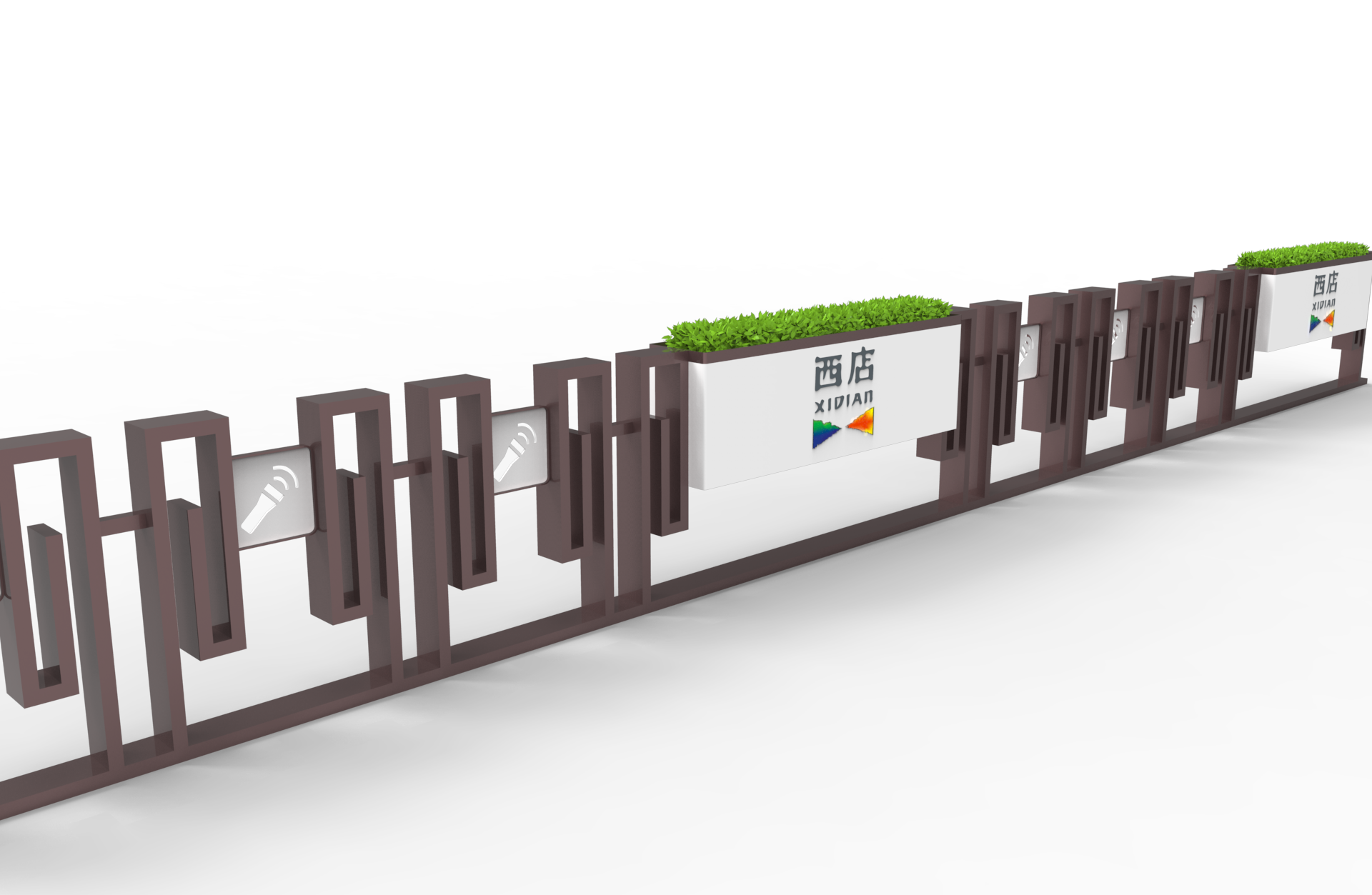
T-GLL-16
3. Deployment Scenarios: Achieving Full Segregation
 
Separation barriers between motor and non-motor vehicles are not a one-size-fits-all solution. We offer two primary deployment strategies based on the road type:
 
A. Open Cycling Corridors (Low Speed Areas)
In lower-speed areas like suburbs or large parks, we utilize highly visible modular separation systems. These systems are easy to install and move, serving mainly as a visual warning and minor physical deterrent. This falls under the more flexible range of traffic separation barriers.
 
B. Protected Bike Lanes (PBLs)
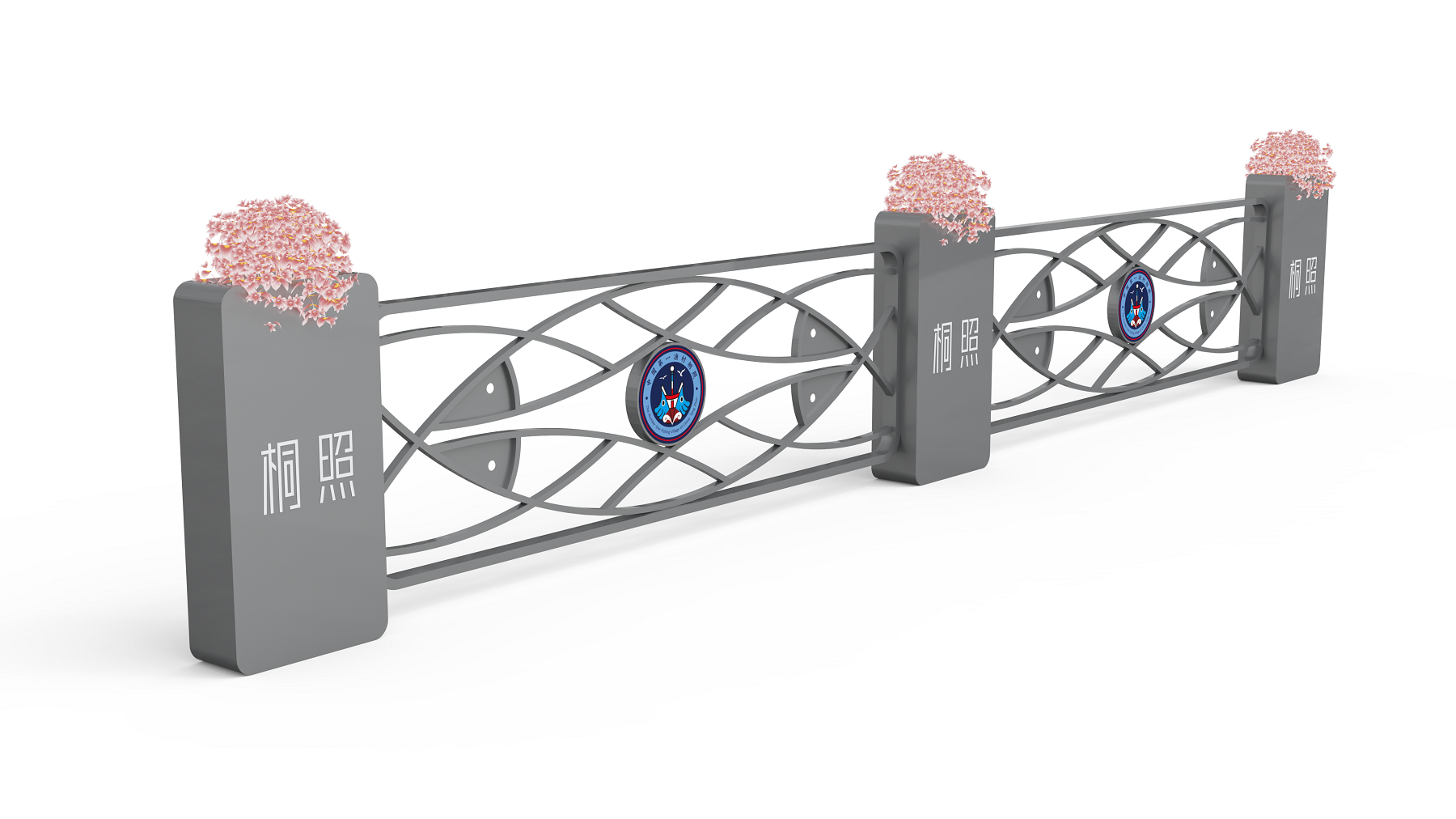
On high-speed arterial roads in city centers, the safety level must be absolute. We use heavy-duty bicycle separation fences. These barriers are typically bottom-anchored and designed to withstand accidental vehicle impacts, preventing vehicles from vaulting over the barrier. This represents an absolute commitment to non-motor vehicle safety.
T-GLL-24
4. Our Commitment: Sustainability and Long-Term Investment
 
Choosing our Toncom bicycle separation fence is more than just purchasing a product; it is an investment in a city's long-term sustainability.
 
Weather Resistance: Our products feature specialized coatings that resist rain, snow, and UV exposure, ensuring that your non-motorized vehicle separation facilities maintain their visual and structural integrity for years.
 
Low Maintenance: Due to superior materials, our barriers reduce the need for municipal departments to perform frequent repairs and replacements, lowering the total cost of ownership.
 
Our team understands that creating safe environments for cyclists is a hallmark of successful future cities. We provide global clients with end-to-end service, from design consultation to bulk manufacturing, ensuring your non-motorized vehicle separation project meets the highest international safety standards.
 
To create a livable, convenient and orderly urban space, a complete set of urban supporting facilities is essential — including Intelligent Traffic Facilities like bus shelters and guardrails that guarantee smooth and safe travel, Commercial Service Facilities such as outdoor dining cars, Kiosks and public Seating that meet citizens’ daily life and leisure needs, as well as Urban Sanitation Facilities consisting of Public Toilets and Trash Bins that uphold urban cleanliness and environmental order.
Looking for a Reliable Manufacturer of smart urban infrastructure in China ? Toncom would be your best partner. 
Contact us for Custom Solutions to Build a Livable City!
 
Mobile Phone :+86 15986817332
Email :sales@toncom.net
Website :https://www.nbtoncom.com/
Contact Us

Author:

Ms. Li

Phone/WhatsApp:

+86 15986817332

Popular Products
You may also like
Related Categories

Email to this supplier

Subject:
Mobile:
Email:
Message:

Your message must be betwwen 20-8000 characters

Copyright © 2025 Ningbo Toncom Municipal Facility Technology Co., Ltd. All rights reserved. Privacy Policy

We will contact you immediately

Fill in more information so that we can get in touch with you faster

Privacy statement: Your privacy is very important to Us. Our company promises not to disclose your personal information to any external company with out your explicit permission.

Send